Category Nature

West Employs New Products
To Keep Green
0
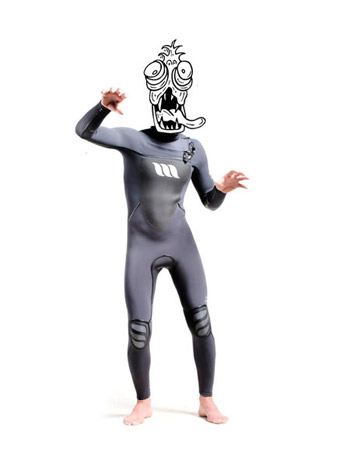
West sustainable production developments 2009

In line with West’s existing sustainable products and our commitment towards a greener future we have employed some new products and practices.

West Bio-plastic packaging: 80% biodegradable cornstarch plastic 20% PE

Did you know that some parts of the Pacific Ocean contain six times more plastic than plankton? Ask any surf shop owner and they will tell you that the accumulation of packaging is consistently overwhelming and although this is not a part of the process that the end user often gets to see, it’s worth giving a thought to the mountains of plastic that fill up store rooms all over the world.

Traditionally, plastic packaging has been made from petrochemicals which are heavily used worldwide; however, the final disposal of used flexible plastics causes problems. If plastic film is not recycled or disposed of correctly it can be a significant source of litter and create serious problems in waste management.

To combat some of these problems we have employed the use of biodegradable cornstarch plastic bags for all our packaging. The cornstarch bags perform equally to traditional plastic packaging being light weight, relatively imperviousness to gas and water but crucially it will reduce the amount of toxic waste and space in landfill as the material biodegrades in a fraction of the time.

West Eco-Lycra : 6 oz 15% bamboo fibers, 85% recycled plastic water bottles UPF 50+

West’s Eco-lycra, derived from bamboo and recycled plastic bottles provides a superior quality fabric while conserving the earth’s valuable resources. Quickly renewable, bamboo grows easily without the use of pesticides and fertilizers; the pulp is bleached without chlorine and is easy to dye, lessening the environmental impact during production.

Another nice feature of bamboo is the natural anti bacterial properties which helps prevent irritation from rash and also reduces the familiar unwanted smells when drying. Bamboo is strong, lightweight and naturally UV resistant; making it a great selection for use in surfing products, expect to see more of this used throughout the west range in the near future.
story via

CA State Parks Closures 1

Surfrider Foundation asks for your help:

We must stop the Governor’s plan to close over 200 of our state parks and beaches. Just this week, the Governor announced a new proposal to eliminate state funding for our state park system – which will close more than 80% of the 279-unit state park system.  Slated for Closure are many of our Favorite Beaches and Surf Spots, including:

Silver Strand, Torrey Pines, Carlsbad, Topanga, Leo Carillo, Emma Wood, Pt. Mugu, Carpinteria, Refugio, El Capitan,  Montaña De Oro, Morro Strand, Pismo, Moss Landing, Manresa, Seacliff, Half Moon Bay, Ano Nuevo, Tomales Bay,  Trinidad, Sonoma Coast…and many others!!  View a full list here.

We need your help to take action TODAY and tell the Governor and your state legislators that gutting funding to state parks is unacceptable.

Next Tuesday, June 2, the Legislature’s Budget Conference Committee will consider this proposal. State park and coastal advocates need to make their voices heard RIGHT NOW. Your contact to your legislators is critical.

story via

LA Beaches In Need of Quality Control 0

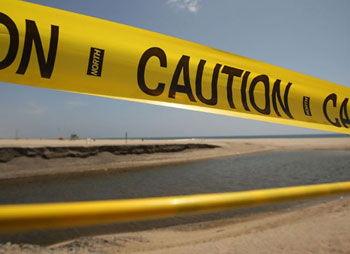
Last week Heal The Bay released their 19th annual Beach Report Card, and the report finds that the City of Angeles holds the unenviable distinction of possessing the most polluted beaches in California. Oh boy! With A-to-F letter grades assigned to 94 beaches, 15 of them received year-round F grades, with six ranking in Heal the Bay’s annual Beach Bummer List of the most polluted sites in the state. The good news—if there is any—is that 70% of sites earned A or B grades, a state-low total for the fourth year in a row and nearly even with last year’s 71% tally. You can thank chronically polluted beaches in Malibu, Santa Monica, Avalon and Long Beach for dragging down the county’s overall grades.

“You go surf around here and sometimes the water just stinks, you can tell something’s not right. It’s gross,” says Theodore Sawyer, an L.A.-area surfer who just moved from the pristine Monterey Bay area to the not-so-pristine Venice Beach. “You’d think a place who’s image is based on the beach would be more into preserving the environment.”

That being said, there are alternatives our there. Proving that Orange County is home to more than just scandalous housewives, O.C. beaches recorded outstanding water quality grades, well above the state average. Some 97% of 103 monitoring locations received an A or B during the summer, as well as 93% for year-round dry weather.

And just north of L.A.—where, in the words of Sam George, a man can be free—Ventura County also seems to be taking care of its coast. Of the 53 beaches monitored, 51 locations received A grades. Moving up the coast, more than 90% of Santa Barbara and San Luis Obispo beaches earned A or B grades during year-round dry weather. Santa Cruz saw 83% of its beaches record A grades year-round. Further north, San Mateo notched perfect 100% A grades at its 11 sites, while San Francisco earned 93%. Marin, Mendocino and Humboldt counties earned perfect 100% summer grades, while Sonoma recorded A or B grades for more than 85% of its beaches.

Of course, with the good has to come the bad, and as of press time Ventura has ceased ocean testing at all beaches since October in the wake of the state budget crisis, which eliminated all funds to support counties’ regular ocean testing. Orange County officials also may decrease sampling if state funding isn’t made available by July.

“With summer coming, the state has made assurances that it will start restoring funding to beach monitoring programs, but there is no firm date,” said Mark Gold, president of Heal the Bay. “Until then, swimmers in many locations in greater Southern California are truly swimming at their own risk.

Most California beaches had very good water quality with 262 of 307 (85%) locations receiving very good to excellent (A and B) grades, while only 32 of the beaches (6%) monitored statewide received D or F grades. High bacteria counts at these sites are linked to such potential illnesses as stomach flu, ear infections and major skin rashes.

The Top 10 Beach Bummers
Twenty-three beaches statewide received an overall “F” grade in year-round dry weather during the 2008-2009 Beach Report Card. The ten worst “Beach Bummers” in California (starting with the worst) are:

  1. Avalon Harbor Beach on Catalina Island (Los Angeles County)
  2. Cabrillo Beach harborside (Los Angeles County)
  3. Pismo Beach Pier (San Luis Obispo County)
  4. Colorado Lagoon (Los Angeles County)
  5. Santa Monica Municipal Pier (Los Angeles County)
  6. City of Long Beach at LA River outlet (Los Angeles County)
  7. Poche Beach (Orange County)
  8. Surfrider Beach at Malibu Creek (Los Angeles County)
  9. Campbell Cove State Park Beach (Sonoma County)
  10. Doheny Beach at San Juan Creek (Orange County)

For a detailed look at beach results for each county and report methodology, please refer to our complete report. A PDF version is available at www.healthebay.org

Honor Roll Some 79 of the 324 (24%) beaches with year-round dry weather grades this year scored a perfect A+. These beaches had zero exceedances of state bacterial standards for ocean water quality throughout the entire time frame of this report. Heal the Bay proudly places these beaches on our inaugural Beach Report Card Honor Roll. A list of these locations can be found in the full report.

story via